
Austin, Texas · civic life & local issues
Know how your city actually decides
Austin is changing fast, and most of that change runs through rooms residents are allowed to walk into. This is a plain, non-partisan guide to how city decisions get made, the issues under debate, and the practical levers an ordinary resident can pull, from a three-minute public comment to a seat on a neighborhood board.
How the city works
The decisions are closer than they look
Austin runs on a 10-1 council: ten members elected from geographic districts, plus a mayor elected citywide. The Council sets the budget, writes the land-use code, and approves most of what reshapes the city. Much of the detailed work happens first in boards and commissions, on planning, transportation, the environment and more, whose recommendations shape what Council eventually votes on.
10 districts + 1 mayorPublic comment open to allBoards & commissions feed CouncilBudget set each fall
None of it requires an insider. Meeting agendas are posted in advance, most sessions are livestreamed and archived, and every resident can look up their district and their council member by address. Knowing which body decides what is most of the work, and that's what this site is for.
Take part
Ways an ordinary resident gets involved
Show up on the record
Council and its commissions take public comment, usually three minutes per speaker, with sign-up the morning of the meeting. Written comment counts too. It is the most direct way to put your view into the official record before a vote.
Join your neighborhood
Dozens of registered neighborhood associations and contact teams meet monthly and weigh in on development, zoning cases and safety. It is where a lot of local decisions are first shaped, long before they reach City Hall.
Serve, or run
Residents fill city boards and commissions, school and district seats, and more. Many local races turn on a few hundred votes. The bar to get involved is lower than most people assume.
Where the public gets a say
The mic is open, if you know when
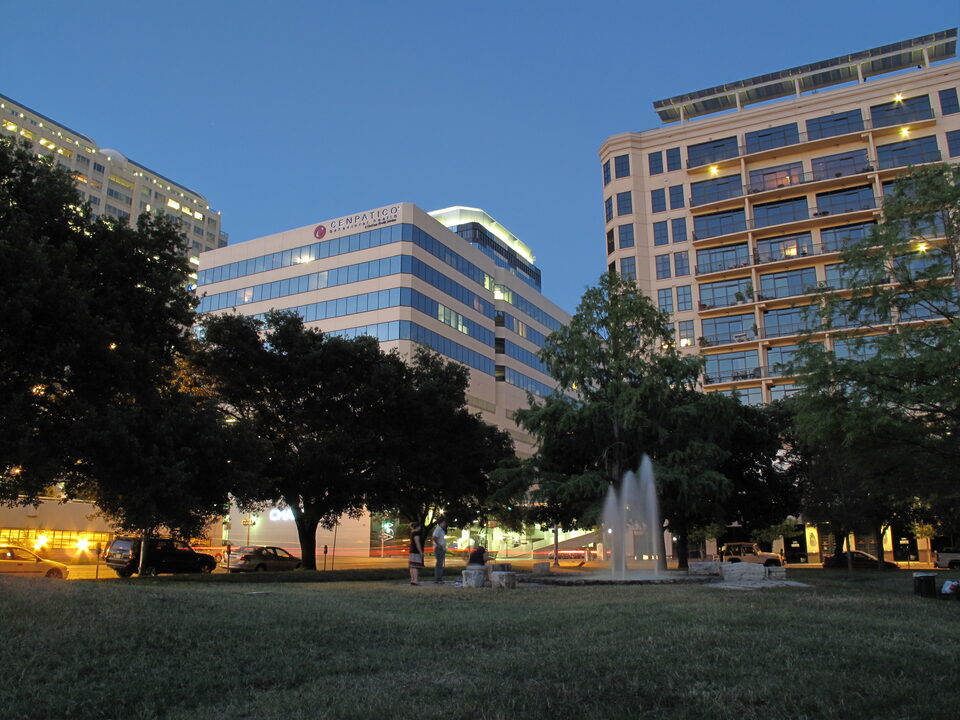
Public plazas and council chambers aren't just backdrops, they're where comment is taken and decisions are announced. Agendas list which items allow testimony and when, and the city posts them days ahead. Watch the calendar, sign up early, and you get the same three minutes as anyone else in the room.
Start on your block
Local democracy starts where you live
The fights that change a street, a rezoning, a new development, a traffic-calming plan, usually surface first at the neighborhood level. Associations and contact teams give residents a standing seat at that table, and a way to speak with one voice when an item reaches a commission or Council.

On the agenda
The issues Austin is weighing
The debates that keep coming back to City Hall, explained plainly, what's at stake and who decides, without telling you how to land on any of them.
Housing & land use
Home prices have outrun incomes. Zoning reform, density, and accessory dwellings are the central, and most contested, fight over the city's shape.
Transportation
A voter-approved transit build-out and the rebuild of I-35 will reshape how people move for a generation. Cost, scope and timeline are all in play.
Homelessness & shelter
Camping rules, bridge shelters and permanent-housing models each have backers and critics. A genuinely hard problem with no single answer.
Public safety
Staffing, response times, and the balance between enforcement and community approaches come up in budget season every year.
Water & environment
Drought planning, the Highland Lakes, and protection of the springs and aquifer weigh growth against limited water and rising heat.
Growth & accountability
Rapid growth strains roads, schools and parks, and raises the recurring question of how openly the city spends and audits its money.
From the news desk
Recent civic coverage
We track Council votes, ballot measures and the accountability questions behind them, in plain language. A few recent reads:
After a ballot measure fails
What a rejected proposition signals about spending, and the questions residents can press at City Hall next.
The case for an outside audit
Why an independent look at city finances matters, and what it would and wouldn't settle.
New short-term rental rules
How a change to the rules gets written, enforced, and felt on an ordinary residential street.

The poll that counts
Register, then vote
You must register at least 30 days before an election; it takes a couple of minutes online. City races tend to run in November, with early voting the two weeks before. Check your registration and your ballot with official sources before each election.